
A Guide to Traditional Kanchipuram Silk Saree Motifs and Their Meanings
22 August, 2026
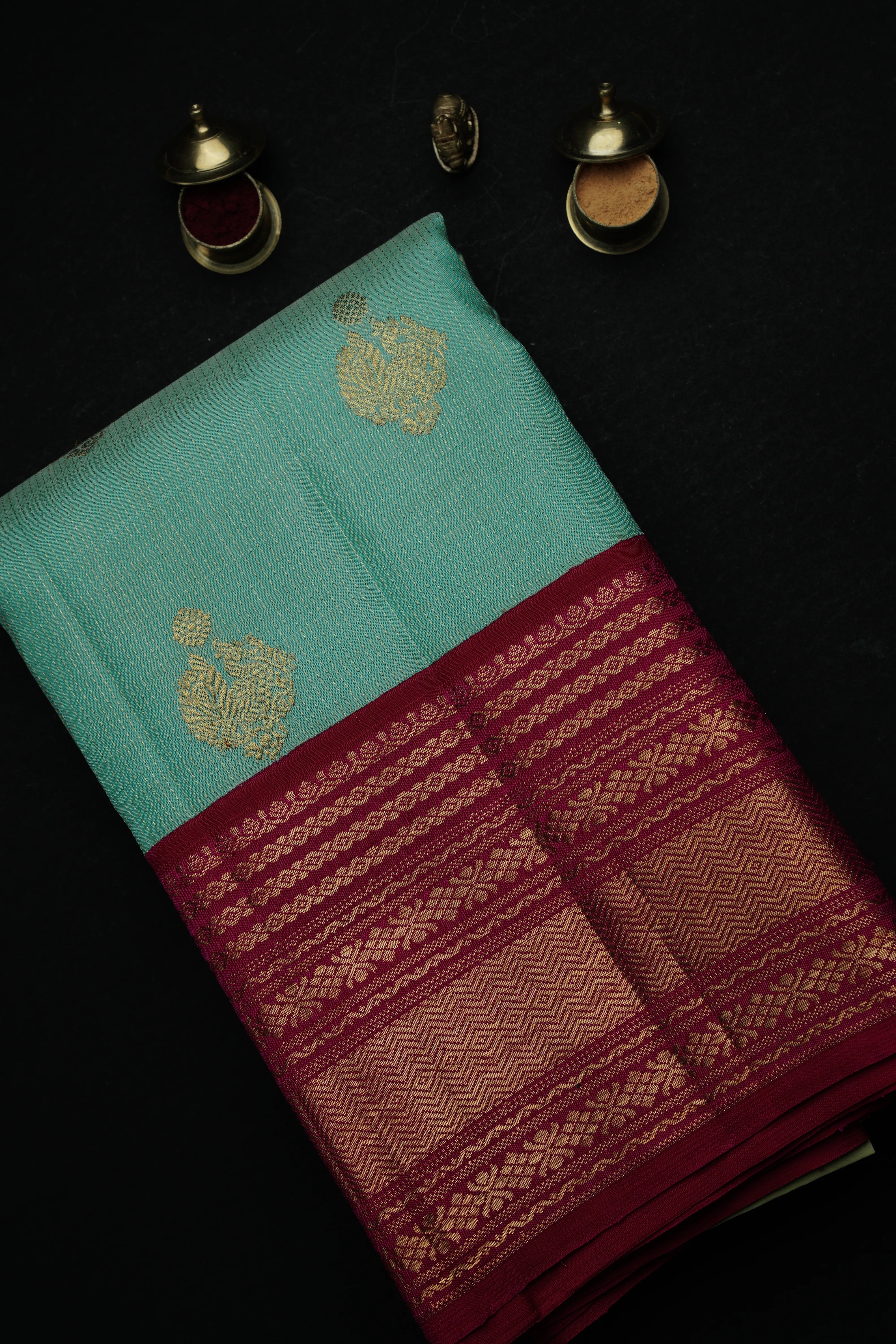
When you see a Kanchipuram silk saree you see stories woven in the silk with precision, heritage and craftsmanship in every thread that has been passed on for generations. These Kanchipuram silk sarees are made in the temple town of Kanchipuram, Tamil Nadu.
Have you ever thought about what the patterns on these Kanchipuram silk sarees mean?
Each pattern on a Kanchipuram silk saree is called a motif which is inspired from nature, mythology, architecture, what people believe in and some are out of weavers imagination. These motifs make the Kanchipuram silk sarees very interesting, telling a story in every part of the weave.
Stories woven in silk
Mayil Motif
The mayil motif can be often seen in bridal kanchipuram silk sarees. Known as the vahana of Lord Muruga, it symbolises beauty, fertility and new beginnings. It is woven along the saree pairing with rudraksham and paisley motif. It is generally woven on the borders and the pallu which is intricately detailed using zari weaving.
Annapakshi Motif
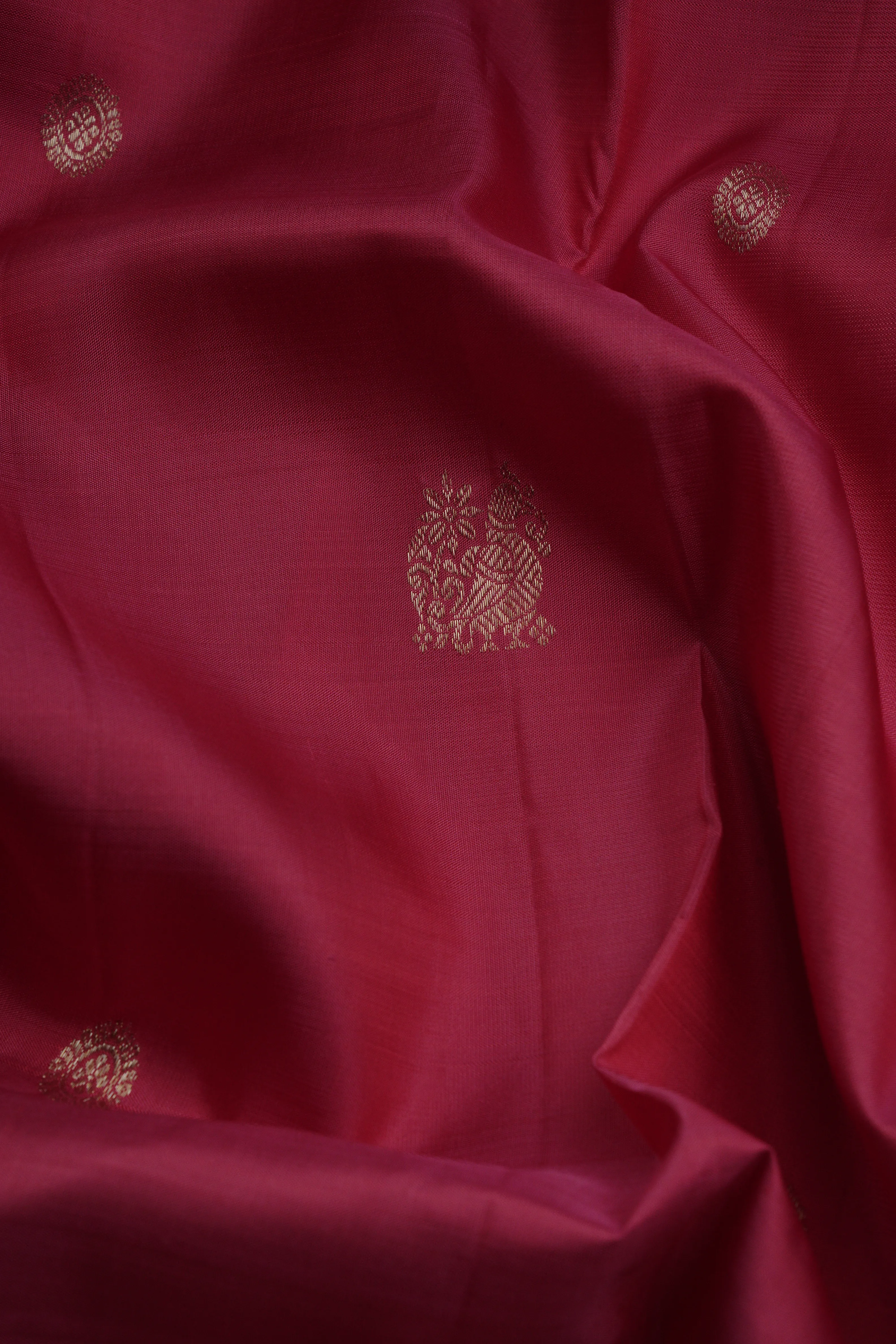
The annapakshi is a beautiful mix of a swan and a peacock which is believed to have the divine ability to separate milk from water symbolising purity and beauty in every yard. Based on the sculptures found in temples, the motif of annapakshi has taken its form in South Indian weaving since ages.
Rudraksham Motif
This motif is inspired by the rudraksha beads that are connected with Lord Shiva representing spiritual energy, protection and inner peace. It is usually repeated throughout the saree in such a way that it looks like the prayer beads used in ceremonies pairing with the annapakshi motif to make the saree look more traditional.
Maanga Motif
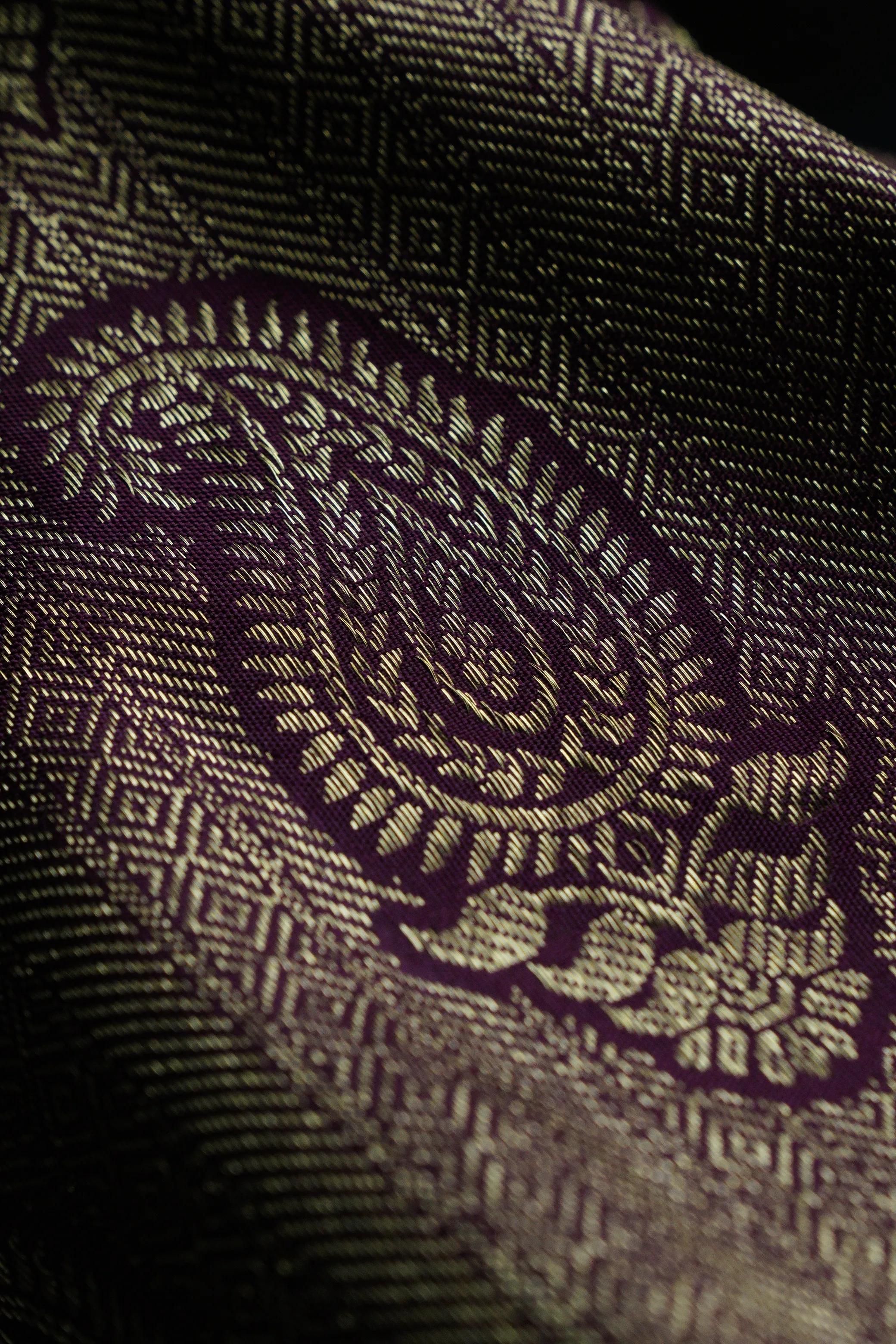
Influenced by the shape of a mango, which signifies the freshness of new beginnings and prosperity in the Indian tradition. The maanga motif takes different forms based on the weaver's creativity. It will be plain in the body part, floral paisley in the border part and kili woven within it too.
Yazhi Motif
The yazhi is a celestial creature that is a mix of a lion, elephant and snake. It is mostly seen in temple architecture of South India, especially in Dravidian architecture. It represents strength and protection, carrying forward the legacy of mythology through sarees. Weavers often adapt the intricate curves and details of temple carvings to recreate the yazhi motif in silk and zari.
Yaanai Motif
The yaanai, associated with the Goddess Lakshmi, is considered a symbol of prosperity, wisdom and royalty. Cherished across Indian art and culture for its power, auspiciousness and majestic appearance. It represents good fortune and steady wisdom, making these sarees perfect for weddings and celebrations.
Malli Moggu Motif
Carrying a freshness of jasmine buds, the Malli Moggu motif is arranged in neat rows, adding a unique depth to Kanchipuram silk sarees yet keeping it in a simple way. These sarees are draped for family gatherings and intimate celebrations.
Gopuram Motif
This motif is inspired by the towers of South Indian temples built during the Chola and Pallava periods, representing devotion and a connection to God. You usually see this pattern on the border and pallu of the saree which makes it look very grand.
Iruthalaipakshi motif
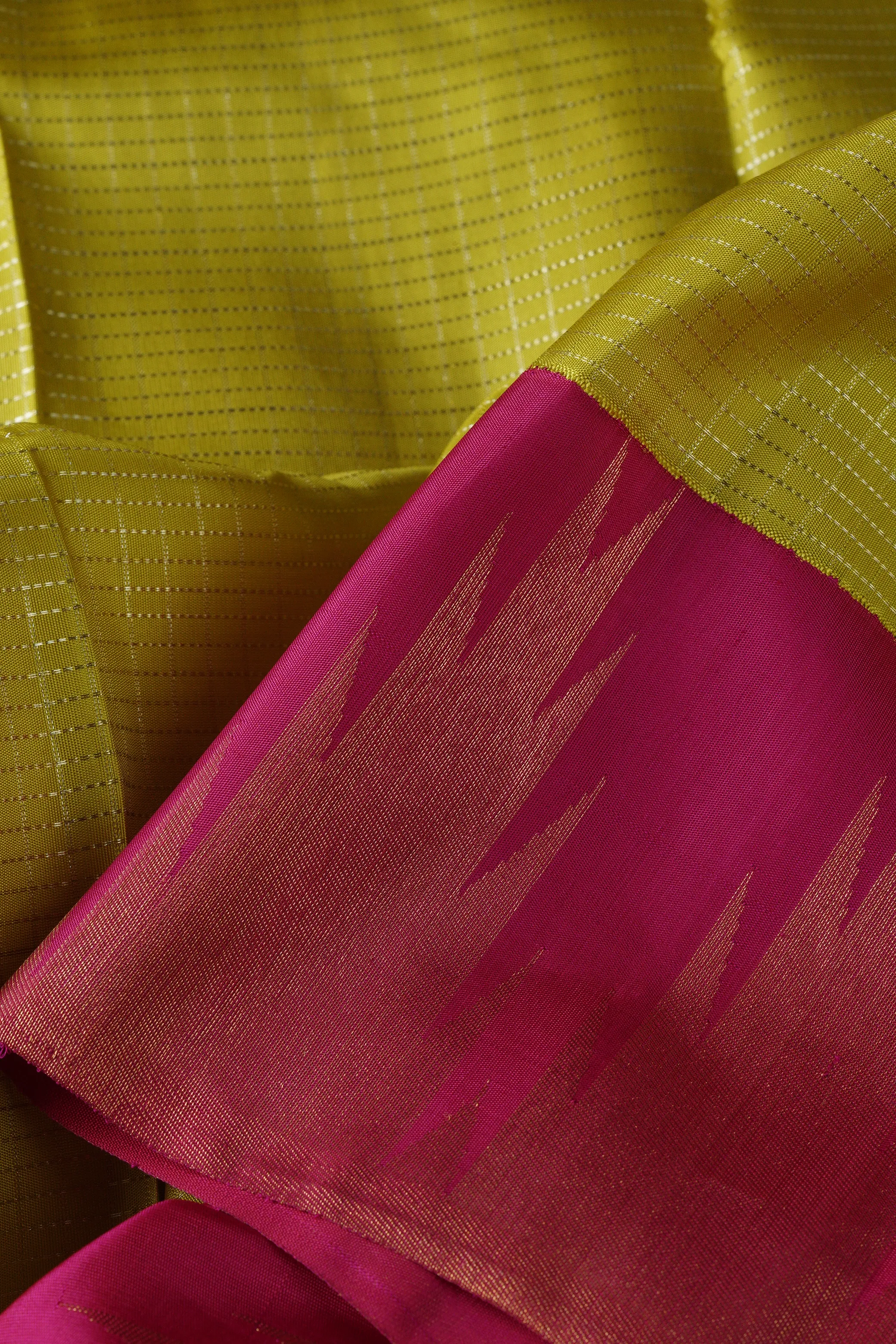
The Iruthalai Pakshi motif is a two-headed eagle with one body signifying strength, duality and protection, adding a powerful character to Kanchipuram silk sarees. Rooted in traditional temple art and mythology, it makes the design feel both meaningful and majestic.
Kuthirai Motif
The horse design is woven from temple carvings and royal symbols which depicts courage, bravery and strength. It can be seen mostly in the border and pallu of kanchipuram silk sarees making it look bold and powerful.
Beyond the Motifs
The next time you purchase a Kanchipuram silk saree look really closely at the motifs that are woven into it. They show us the heritage of South India, its mythology, temple art and the traditions that people have been following for a very long time. Every weave of the Kanchipuram silk saree keeps the beauty of the culture, the craftsmanship and the old stories alive.