
Banaras Silk Sarees
Quick facts:
Origin - Varanasi (Banaras), Uttar Pradesh
Weaving technique - Handwoven Brocade Weaving
GI Tag - 2009
Introduction
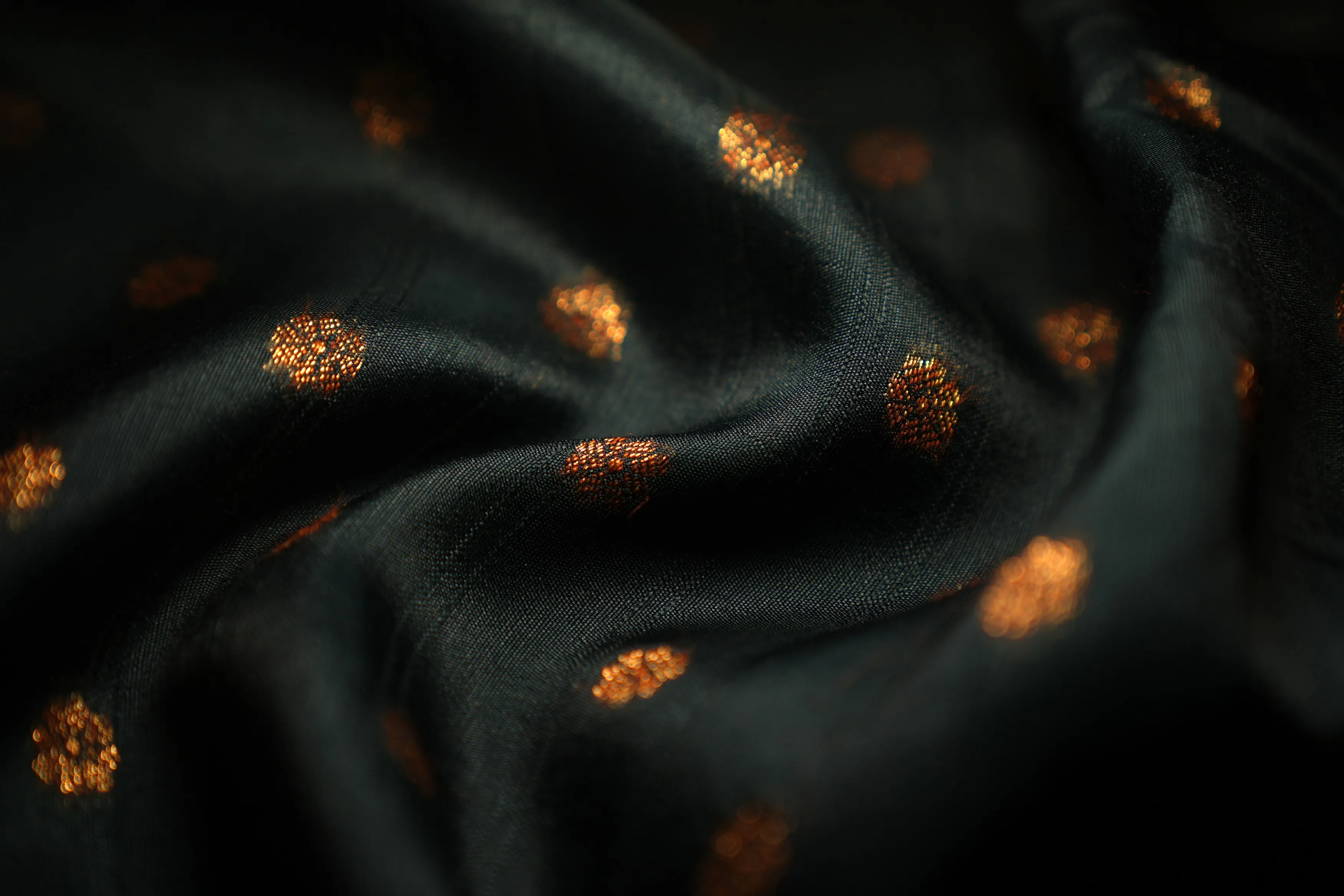
Banaras Silk Sarees, also known as Banarasi Silk Sarees, are among India's most delicate handwoven silk sarees, admired for their fine silk, zari work and intricate brocade weaving. Woven by skilled artisans in the historic city of Varanasi, Uttar Pradesh, these sarees have long been associated with weddings, grand celebrations and cultural traditions. Their elaborate floral motifs, rich pallu and elegance have made them a lasting symbol of India's textile heritage.
History
The history of Banaras Silk Sarees dates back to the Mughal era during the 16th century. Persian artisans introduced intricate weaving techniques and ornamental patterns, which gradually blended with Indian craftsmanship to create Banarasi brocade. Supported by royal patronage under the Mughal Empire, the craft flourished in Varanasi and became renowned for its fabrics and exceptional artistry. In 2009, Banaras Brocades and Sarees were awarded the Geographical Indication (GI) tag, recognising their unique heritage and protecting the traditional weaving practices of the region.
Craftsmanship
Authentic Banaras Silk Sarees are handwoven using fine silk yarns enriched with intricate zari work to create elaborate brocade patterns. The weaving process requires remarkable precision, with artisans carefully lifting individual warp threads to produce detailed motifs. Depending on the intricacy of the design, weaving a single saree can take anywhere from 15 to 30 days, while highly ornate bridal sarees may require months.
Design Features
Banaras Silk Sarees are distinguished by their richly woven zari borders, ornate pallu and intricate brocade motifs. Traditional designs include floral vines (kalga and bel), paisley, lotus, jaal patterns, butidar motifs and Mughal-inspired artwork, reflecting centuries of artistic influence. Deep shades such as crimson, royal blue, emerald green and maroon remain timeless favourites for weddings and festive occasions, while softer pastels and contemporary colours have gained popularity for modern celebrations.